
What to know before visiting Paris
Paris is one of Europe’s most popular travel destinations. The French capital is known for its impressive architecture, world-famous museums, cozy cafés, and romantic streets. To make your trip to Paris as relaxed as possible, it’s worth knowing a few important things before you arrive.
Public transport in Paris
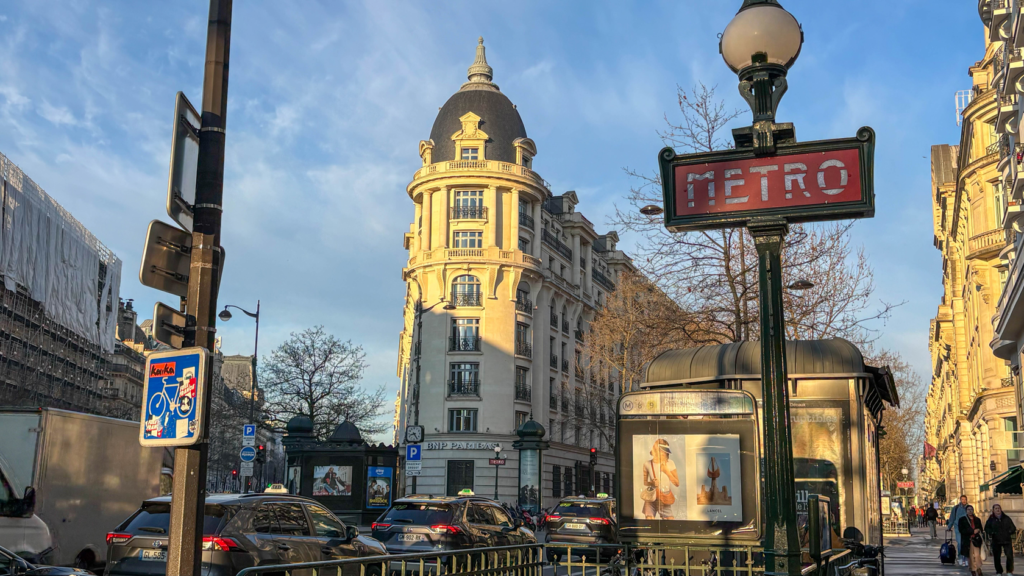
Public transport in Paris is very well developed and one of the easiest ways to get around the city. The metro, bus, RER, and tram are organized by Île de France Mobilités.
For stays of several days, the Navigo weekly pass is often worthwhile. With this pass, you can travel unlimited in all zones for a week. Alternatively, you can buy single tickets or multiple trips at once. Tickets can be purchased from machines in metro stations, via apps, or at ticket counters.
Many travelers also use the Navigo Easy card or digital tickets on their smartphones. These options are particularly convenient for shorter stays in Paris.
Tip: Download the IDF Mobilité App to get around Paris the easiest.
Paying in Paris
The currency in France is the euro. In Paris, you can pay by card almost everywhere. Even small amounts can often be paid for easily with a credit or debit card.
I hardly needed any cash during my trip. Even drinks machines and some toilets can be paid for by card. Nevertheless, it makes sense to carry a little cash with you in case you need it.
Contactless payment by card or smartphone is now very common in Paris and is accepted in most shops.
Book attractions early
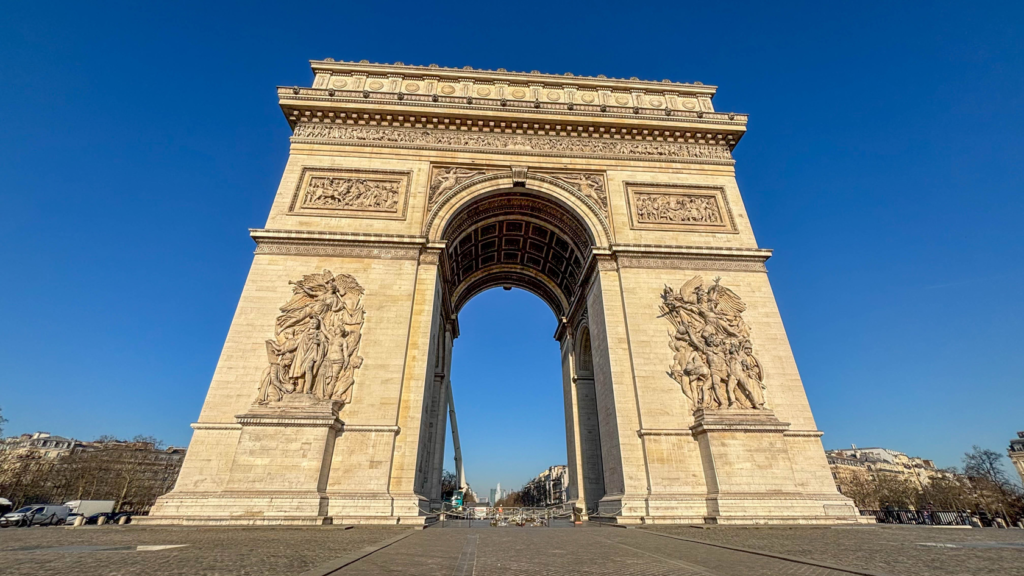
Many of the most important sights in Paris are very popular. It is therefore worth reserving tickets online before you travel.
Time slots can quickly sell out, especially for the Louvre, the Eiffel Tower, and other well-known attractions. If you book your ticket in advance, you can often avoid long queues and secure your visit.
Some attractions now operate exclusively with reserved time slots. Spontaneous visits are therefore not always possible.


Free admission for young travelers
A big advantage for young travelers is that many attractions are free for people under the age of 26. This applies especially to state museums and often to permanent exhibitions.
However, this rule usually only applies to EU citizens or people residing in the EU. Therefore, it is always a good idea to carry identification with you.
Many museums also offer free admission days. Admission is often free on the first Sunday of the month, but these days are often very busy.
Paris is easy to explore on foot
Many sights are relatively close together. That’s why it’s worth walking many distances. While strolling through the city, you’ll often discover small cafés, beautiful streets, and hidden squares.
Neighborhoods such as Le Marais, Saint Germain, and Montmartre are particularly well suited for exploring on foot.


Restaurants and cafés
Paris is famous for its cafés and restaurants. However, it can be difficult to get a table at short notice, especially in the evenings or in popular neighborhoods.
If you want to eat at a particular restaurant, it is often a good idea to book in advance. Many restaurants now offer online reservations.
Note opening hours
Many smaller shops are closed on Sundays or Mondays. Restaurants also sometimes have fixed closing days. It is therefore worth checking opening hours in advance.
If you keep these things in mind, you will be well prepared for your trip to Paris. With a little planning, you can avoid long queues, save money, and enjoy a more relaxed stay in the French capital.